What If Aging Wasn’t the Enemy? My Real Talk on Staying Strong and Managing Health Over Time
They say you can’t stop the clock—but what if you could slow it down in ways that really matter? I used to think aging meant decline, until I learned how small, daily choices powerfully impact long-term health. This isn’t about looking younger; it’s about staying resilient, preventing illness, and feeling strong no matter your age. Let me share what actually works—no hype, just real strategies rooted in science and lived experience. The truth is, while time moves forward, the way we age is not set in stone. How we eat, move, sleep, and manage stress plays a far greater role than the number on our birthday cake. And the best part? It’s never too late to start making choices that support lasting vitality.
The Myth of "Just Getting Older" – Reframing Aging as a Health Opportunity
For decades, society has treated aging as an inevitable descent into frailty, fatigue, and chronic illness. Many women in their 40s, 50s, and beyond accept joint stiffness, low energy, or rising blood pressure as simply "part of getting older." But modern science tells a different story. While chronological age—the number of years you’ve lived—is fixed, biological age—the condition of your cells, organs, and systems—is malleable. Research shows that up to 90% of age-related decline is influenced by lifestyle, not genetics or time. This means the aches, brain fog, and sluggish metabolism often blamed on age may actually stem from habits we can change.
At the core of accelerated aging are three biological processes: chronic inflammation, oxidative stress, and metabolic dysfunction. Inflammation, when persistent, damages tissues and is linked to heart disease, arthritis, and cognitive decline. Oxidative stress occurs when free radicals outnumber antioxidants, harming DNA and cell function. Metabolic dysfunction—such as insulin resistance—disrupts how the body processes energy, setting the stage for type 2 diabetes and fatty liver disease. These processes don’t appear overnight; they build silently over years, fueled by poor diet, inactivity, poor sleep, and unmanaged stress.
The good news is that each of these processes can be slowed. Studies using biomarkers like telomere length—a sign of cellular aging—show that people who adopt healthier lifestyles can actually reduce their biological age. For example, a 2021 clinical trial published in the journal *Aging* found that participants who improved their diet, increased physical activity, and practiced stress reduction techniques showed a significant reversal in biological aging markers over just eight weeks. This isn’t about turning back time; it’s about changing how time affects you.
Reframing aging as a health opportunity shifts the focus from fear to agency. Instead of dreading birthdays, you begin to see each day as a chance to support your body’s resilience. It’s not about perfection—it’s about consistency. Small, sustainable choices in how you eat, move, and rest add up over time, creating a foundation for long-term strength and well-being. The goal isn’t to look 30 again, but to feel strong, clear, and capable at 60, 70, or beyond.
Why Disease Management Is the New Anti-Aging Strategy
Most people think of anti-aging as skincare, supplements, or cosmetic procedures. But the most powerful anti-aging strategy isn’t found in a jar—it’s in managing health conditions before they take root. The leading causes of disability and death in midlife and beyond—heart disease, type 2 diabetes, osteoarthritis, and cognitive decline—are not inevitable. They are largely preventable through early detection and lifestyle intervention. This is where the concept of "health span" becomes more important than "life span." Living longer is valuable only if those years are healthy, active, and independent.
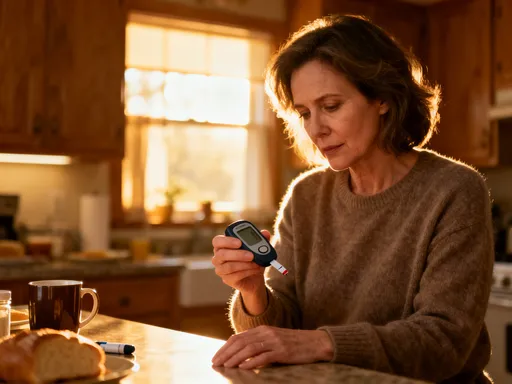
Many chronic diseases begin with subtle metabolic shifts that go unnoticed for years. Insulin resistance, for example, often develops silently, causing blood sugar to rise gradually while the body struggles to process glucose. This condition, a precursor to type 2 diabetes, is linked not only to weight gain but also to inflammation, hormonal imbalance, and increased risk of Alzheimer’s disease—sometimes called "type 3 diabetes" by researchers. Yet, most women don’t learn they have insulin resistance until they’re diagnosed with prediabetes or diabetes, often after significant damage has occurred.
The key is early awareness and action. Regular health screenings—such as HbA1c (a measure of average blood sugar), fasting insulin, and lipid panels—can reveal these shifts long before symptoms appear. When caught early, insulin resistance can often be reversed through diet, movement, and sleep improvements. Similarly, high blood pressure and elevated C-reactive protein (CRP), a marker of inflammation, are early warnings of cardiovascular risk. Managing these markers through lifestyle changes is far more effective than waiting for a diagnosis and then relying solely on medication.
Real-world examples show the power of this approach. A 52-year-old woman with rising blood pressure and fatigue made changes to her diet—reducing processed foods, increasing vegetables and fiber—and began walking daily. Within six months, her blood pressure normalized, her energy improved, and her doctor reduced her medication. Another woman in her 50s, struggling with joint pain and brain fog, discovered through testing that she had high inflammation markers. By eliminating ultra-processed foods and adding omega-3 rich foods like fatty fish and walnuts, she saw noticeable improvements in just a few months. These aren’t miracle stories—they’re proof that proactive health management works.
The Daily Non-Negotiables: Sleep, Movement, and Stress Control
If there were a single pill that could improve mood, boost metabolism, strengthen immunity, and protect the brain, everyone would want it. That pill doesn’t exist—but sleep comes close. Quality sleep is one of the most powerful, yet often overlooked, tools for healthy aging. During deep sleep, the body repairs tissues, balances hormones, and clears metabolic waste from the brain. Poor sleep, on the other hand, disrupts insulin sensitivity, increases cortisol (the stress hormone), and weakens immune function. Women over 40, especially those in perimenopause or menopause, often struggle with sleep due to hormonal shifts, but this doesn’t mean poor sleep is unavoidable.
Improving sleep starts with routine. Going to bed and waking up at the same time every day—even on weekends—helps regulate the body’s internal clock. Creating a calming bedtime ritual, such as reading or gentle stretching, signals the brain that it’s time to wind down. Limiting screen time at least an hour before bed reduces exposure to blue light, which suppresses melatonin, the hormone that promotes sleep. Keeping the bedroom cool, dark, and quiet also supports deeper rest. For women dealing with night sweats or insomnia, talking to a healthcare provider about safe, evidence-based options—such as cognitive behavioral therapy for insomnia (CBT-I)—can make a meaningful difference.
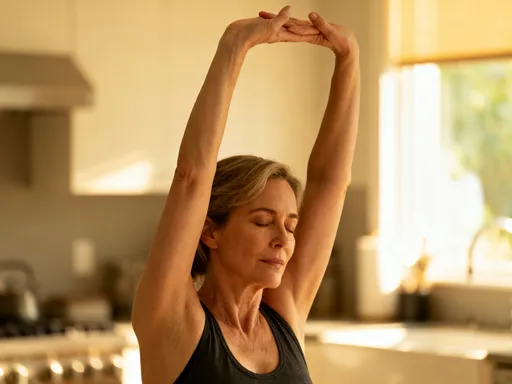
Movement is the second non-negotiable. The idea that exercise means intense gym sessions can be discouraging, especially for those with joint pain or busy schedules. But movement doesn’t have to be hard to be effective. The goal is consistency, not intensity. Daily walking, gardening, or dancing to music all count. These activities improve circulation, maintain muscle mass, and support joint health. Muscle strength, in particular, is crucial for aging well. After age 30, adults lose 3–8% of muscle mass per decade, and this accelerates after 60. Losing muscle leads to weakness, poor balance, and higher risk of falls. Strength training—even with light weights or resistance bands—just two to three times a week can slow and even reverse this loss.
Stress control is the third pillar. Chronic stress keeps the body in a constant state of alert, flooding it with cortisol and adrenaline. Over time, this wears down the immune system, raises blood pressure, and contributes to weight gain, especially around the abdomen. It also accelerates cellular aging. The good news is that stress can be managed through simple, science-backed practices. Mindfulness meditation, deep breathing exercises, and time in nature have all been shown to lower cortisol levels and improve emotional resilience. One study found that just 10 minutes of daily deep breathing reduced stress markers in as little as four weeks. These practices don’t require special skills or equipment—they just require commitment.
Food as Longevity Fuel – What to Eat and Why It Matters
Nutrition is not about restriction or chasing the latest diet trend. It’s about giving your body the raw materials it needs to function, repair, and thrive. Every bite you eat sends signals to your cells—either promoting health or triggering inflammation. The goal is to choose foods that support longevity, not just satisfy hunger. This means focusing on whole, minimally processed foods that are rich in fiber, healthy fats, and phytonutrients.
Plant-based foods should form the foundation of an age-supportive diet. Vegetables, fruits, legumes, nuts, seeds, and whole grains are packed with antioxidants and fiber, both of which combat oxidative stress and feed the gut microbiome. A diverse gut microbiome is linked to better immune function, reduced inflammation, and even improved mood. Aim for a variety of colors on your plate—dark greens, reds, purples, oranges—each representing different protective compounds. For example, lycopene in tomatoes supports heart health, while anthocyanins in blueberries protect brain cells.
Healthy fats are another key component. Omega-3 fatty acids, found in fatty fish like salmon and sardines, as well as in flaxseeds and walnuts, reduce inflammation and support brain and heart health. Monounsaturated fats, such as those in olive oil and avocados, help maintain healthy cholesterol levels. These fats also keep you full longer, reducing the urge to snack on processed carbohydrates.
Protein is essential for maintaining muscle mass and supporting cellular repair. As we age, the body becomes less efficient at using protein, so it’s important to include a source of high-quality protein at every meal. This could be eggs, Greek yogurt, beans, poultry, or fish. Spreading protein intake throughout the day—rather than consuming most of it at dinner—helps the body use it more effectively.
Equally important is what to limit: ultra-processed foods. These include packaged snacks, sugary drinks, refined grains, and ready-made meals high in sodium and unhealthy fats. These foods spike blood sugar, promote inflammation, and contribute to weight gain and metabolic dysfunction. They also lack the nutrients your body needs to stay strong. Instead of focusing on strict diets, think of eating as a long-term practice. Small shifts—like swapping white bread for whole grain, adding an extra serving of vegetables, or drinking water instead of soda—add up over time.
Tracking What Actually Counts – Beyond the Scale
For many women, the scale is a source of daily stress. But weight is a poor indicator of health. Two people can weigh the same but have very different body compositions—one with strong muscles and low body fat, the other with less muscle and more visceral fat, which is linked to higher disease risk. Focusing solely on weight can lead to frustration and unhealthy habits, like extreme dieting or over-exercising.
A better approach is to track meaningful health markers. Energy levels, for example, are a direct reflection of metabolic health. Do you feel alert in the morning, or do you rely on caffeine to get going? Can you climb stairs without getting winded? Recovery speed—how quickly your body bounces back after physical activity—is another sign of resilience. Sleep quality, mood, and digestion are also important indicators.
Lab tests provide objective data. HbA1c gives a three-month average of blood sugar control. A level below 5.7% is normal, while 5.7–6.4% indicates prediabetes. C-reactive protein (CRP) measures inflammation; a level below 1.0 mg/L is considered low risk for heart disease. Lipid panels show cholesterol levels, but more importantly, the ratio of triglycerides to HDL ("good" cholesterol) can indicate metabolic health. These tests should be reviewed over time, not in isolation. Trends matter more than single results.
The goal is not perfection but progress. Sustainable health is built on small, consistent habits, not short-term fixes. Instead of aiming for drastic changes, focus on one or two areas at a time. Maybe this month, you work on adding a daily walk. Next month, you focus on drinking more water or eating more vegetables. Celebrate small wins, and be kind to yourself when life gets in the way. Health is a lifelong journey, not a destination.
The Hidden Role of Community and Purpose in Staying Healthy
Physical health is only part of the picture. Emotional and social well-being are just as critical to aging well. Studies consistently show that strong social connections reduce the risk of heart disease, depression, and cognitive decline. Loneliness, on the other hand, has been linked to a 26% increased risk of premature death—comparable to smoking or physical inactivity. For women, who often take on caregiving roles, it’s easy to neglect their own social needs. But staying connected isn’t a luxury; it’s a biological necessity.
Relationships provide emotional support, reduce stress, and give life meaning. Whether it’s regular phone calls with a sister, weekly coffee with a friend, or involvement in a community group, these interactions boost oxytocin and lower cortisol. Even pets can provide companionship and reduce feelings of isolation. Purpose—the sense that your life has meaning and direction—is equally powerful. Women who engage in activities that feel meaningful, whether volunteering, mentoring, gardening, or pursuing a hobby, report higher levels of satisfaction and better physical health.
A 2019 study published in *The Lancet Public Health* followed over 7,000 adults and found that those with a strong sense of purpose lived longer and had fewer chronic conditions. Purpose doesn’t have to be grand; it can be found in daily routines—cooking for family, tending to plants, or helping a neighbor. The key is feeling that what you do matters. Cultivating purpose and connection doesn’t require big changes. It starts with small, intentional acts—reaching out to a friend, joining a book club, or simply being present in conversations.
Putting It All Together – A Sustainable Approach to Lifelong Vitality
True anti-aging isn’t found in a bottle or a surgical suite. It’s built through daily choices that support your body, mind, and spirit. It’s about viewing health as a continuous practice, not a one-time fix. The strategies discussed—prioritizing sleep, staying active, eating whole foods, managing stress, tracking meaningful markers, and nurturing relationships—are not quick fixes. They are lifelong commitments that compound over time.
Start where you are. You don’t need to overhaul your life overnight. Choose one area to focus on, master it, then move to the next. Maybe this week, you commit to going to bed 30 minutes earlier. Next week, you add a 15-minute walk after dinner. Over time, these small actions become habits, and habits shape health.
Partner with your healthcare provider. Share your goals and ask for guidance on which tests might be most useful for your personal health journey. A good doctor will support your efforts and help you interpret results in context. Remember, you are the expert on your body. Pay attention to how you feel—your energy, mood, sleep, and strength. These are the real indicators of how well you’re aging.
Finally, redefine success. Aging well isn’t about defying time or looking younger. It’s about living with strength, clarity, and purpose. It’s about being able to play with your grandchildren, travel with your partner, or simply enjoy a walk in the park without pain. It’s about feeling capable and in control of your health. That kind of vitality is within reach—not through magic, but through consistent, informed choices. And it’s never too late to begin.