How My Hobbies Quietly Transformed My Health for the Better
You don’t need a gym membership or a strict diet to boost your health—sometimes, the real change comes from what you do just for fun. I didn’t realize it at first, but the hobbies I picked up casually, from sketching in parks to tending to houseplants, started easing my stress, sharpening my focus, and even improving my sleep. Turns out, everyday passions aren’t just distractions—they’re subtle healers. This is how I discovered the quiet power of hobbies in reshaping well-being.
The Hidden Health Crisis of Modern Life
In today’s fast-moving world, many women in their 30s, 40s, and 50s find themselves caught in a cycle of constant doing. Responsibilities pile up—managing households, caring for children or aging parents, meeting work deadlines—while personal time slips away. The result is not just tiredness, but a deeper kind of weariness that lingers even after a full night’s rest. What many accept as normal—feeling drained, overwhelmed, or emotionally flat—is often a sign of something more serious: chronic stress. Public health experts have long warned about the physical and mental toll of sustained stress, linking it to higher risks of hypertension, weakened immunity, and mood disorders. Yet, in the pursuit of productivity, joy is often treated as a luxury, something to be earned after everything else is done. The truth is, joy should not be the reward at the end of a checklist—it should be woven into daily life as a form of protection.
For years, I believed I didn’t have time for hobbies. I saw them as indulgences, distractions from what mattered. I told myself I’d take up painting “when things calmed down,” or join a walking group “once the kids were older.” But life rarely offers a clear moment to begin. What I eventually learned is that waiting for permission to enjoy myself only deepened the imbalance. The turning point came when I noticed how small moments of pleasure—sitting with a cup of tea while watching birds at the feeder, arranging fresh herbs on the windowsill—left me feeling more centered. These weren’t grand gestures, but they carried weight. Slowly, I began to see that making space for simple, enjoyable activities wasn’t selfish. It was necessary. In a culture that glorifies busyness, choosing to do something just because it brings joy is a quiet act of resistance—and a powerful step toward better health.
What Are Hobbies, and Why Do They Matter to Health?
A hobby is any activity pursued regularly for enjoyment rather than obligation. It could be gardening, baking, journaling, playing an instrument, or learning a new language. What sets hobbies apart from other routines is the element of intrinsic motivation—the drive to do something because it feels good, not because it produces a measurable outcome. This distinction is crucial when it comes to health. While exercise and meditation are often practiced with a goal in mind—weight loss, stress reduction, improved focus—hobbies invite us into a different kind of engagement. They are process-oriented, allowing us to lose track of time and immerse ourselves in the moment. Psychologists call this state “flow,” a mental zone where attention is fully absorbed, self-consciousness fades, and time seems to dissolve.
Scientific research supports the idea that flow experiences have real health benefits. When we enter a state of flow, the brain releases dopamine, a neurotransmitter associated with pleasure and motivation. At the same time, levels of cortisol, the primary stress hormone, begin to drop. This dual effect—boosting mood while reducing stress—creates a natural buffer against anxiety and emotional fatigue. Unlike forced routines that can feel like one more item on a to-do list, hobbies succeed precisely because they don’t feel like work. There’s no pressure to perform, no grades to earn, no metrics to track. The act itself is the reward. For many women juggling multiple roles, this freedom from expectation is deeply restorative. It offers a rare space where being is more important than doing.
The Science Behind Play: How Hobbies Heal the Mind and Body
It may seem surprising, but leisure activities are increasingly recognized in medical literature as contributors to long-term health. Multiple studies have found that adults who regularly engage in hobbies report lower levels of depression, improved cognitive function, and even reduced risk of chronic disease. One longitudinal study published in the Journal of Epidemiology & Community Health followed over 6,000 adults for more than a decade and found that those who participated in leisure activities—such as reading, crafting, or walking—had a significantly lower risk of developing cardiovascular conditions. Another study from the Mayo Clinic suggested that engaging in creative hobbies in midlife was associated with a delayed onset of memory decline later in life.
These benefits are not merely psychological. They are rooted in measurable physiological changes. When we engage in enjoyable activities, the parasympathetic nervous system—the body’s “rest and digest” mode—is activated. This slows the heart rate, lowers blood pressure, and promotes relaxation. Over time, this counteracts the effects of chronic stress, which keeps the body in a prolonged state of “fight or flight.” Hobbies also support neuroplasticity, the brain’s ability to form new neural connections. Activities that involve learning, problem-solving, or fine motor skills—such as knitting, playing piano, or assembling puzzles—stimulate brain regions associated with memory and executive function. Even simple acts, like arranging flowers or sketching a landscape, require focus and sensory engagement, gently training the mind to stay present. In this way, hobbies function as both mental exercise and emotional medicine.
From Stress Relief to Emotional Resilience: The Mental Health Edge
One of the most immediate benefits of hobbies is their ability to act as emotional pressure valves. Daily life is filled with stressors—traffic, work emails, family conflicts—that accumulate silently. Without healthy outlets, this stress can manifest as irritability, sleep disturbances, or emotional numbness. Hobbies provide a structured escape, offering a predictable and safe space where the mind can reset. Consider the rhythmic motion of kneading bread dough, the repetitive stitching in embroidery, or the careful pruning of houseplants. These actions are not just productive—they are meditative. They anchor attention in the present moment, much like mindfulness practices used in cognitive behavioral therapy.
What makes hobbies particularly effective is their accessibility. Unlike formal therapy, which may require appointments, travel, or financial investment, a hobby can be as simple as lighting a candle and writing in a journal for ten minutes. The key is consistency, not intensity. Over time, regular engagement in enjoyable activities builds emotional resilience—the ability to bounce back from setbacks, adapt to change, and maintain a sense of balance. Women who cultivate hobbies often report feeling more grounded, less reactive, and better equipped to handle life’s challenges. This isn’t about avoiding difficult emotions, but about creating a reservoir of calm that can be drawn upon when stress arises. In this way, hobbies become a form of emotional self-care, strengthening the inner foundation that supports overall well-being.
Boosting Physical Health Through Non-Exercise Activities
Physical health is often associated with structured exercise—running, weight training, or attending fitness classes. But movement doesn’t have to feel like a workout to be beneficial. Many hobbies naturally incorporate physical activity without the pressure of performance or the risk of burnout. Gardening, for example, involves squatting, lifting, stretching, and digging—all of which improve strength, flexibility, and circulation. A 30-minute session of weeding or planting can burn as many calories as a brisk walk, while also exposing the body to fresh air and sunlight, both of which support vitamin D synthesis and circadian rhythm regulation.
Similarly, hobbies like dancing, hiking, or restoring furniture involve sustained, low-impact movement that enhances cardiovascular health and joint mobility. Unlike rigid fitness regimens, which often lead to dropout due to boredom or injury, hobby-based activity is self-sustaining because it is enjoyable. When movement is tied to a meaningful or pleasurable goal—such as preparing a garden for spring or learning a dance for a family celebration—people are more likely to stick with it. This consistency is what leads to long-term benefits. Even seemingly sedentary hobbies, like painting or playing an instrument, engage fine motor skills and hand-eye coordination, contributing to neuromuscular health. The takeaway is clear: physical vitality doesn’t require a gym. It can grow quietly, through the simple act of doing something you love.
Building Identity and Purpose Beyond Work
For many women, identity is closely tied to roles—mother, wife, employee, caregiver. While these roles are important, relying on them exclusively for self-worth can leave little room for personal growth. When life becomes defined by external expectations, it’s easy to lose touch with individual interests and passions. Hobbies offer a rare opportunity to reconnect with the self—not as someone who serves, but as someone who creates, explores, and learns. This shift is more than just a break from routine; it’s a reclamation of identity.
Engaging in a hobby allows you to step into a different role—one defined by curiosity rather than responsibility. Whether you’re experimenting with watercolors, learning to play the ukulele, or baking sourdough from scratch, you’re engaging in a process where the outcome is uncertain and the journey matters most. This fosters a sense of autonomy, the psychological need to feel in control of one’s choices. Research in positive psychology has shown that autonomy is a key ingredient in long-term happiness and life satisfaction. Moreover, hobbies provide a sense of purpose that exists outside of daily obligations. Completing a quilt, growing a tomato from seed, or finishing a novel in a foreign language—all of these small achievements contribute to a deeper sense of competence and self-worth. In a world that often measures value by productivity, hobbies remind us that simply being curious is enough.
How to Start and Sustain a Health-Boosting Hobby
Starting a hobby can feel daunting, especially when time feels scarce. The good news is that you don’t need hours of free time or expensive supplies to begin. The most effective approach is to start small and focus on curiosity rather than skill. Ask yourself: What did I enjoy as a child? What activity makes me lose track of time? The answers don’t have to lead to a grand pursuit. A five-minute sketch, a single potted herb, or a short walk with attention to birdsong can be the beginning of something meaningful.
Consistency matters more than duration. Even 10 to 15 minutes a day, done regularly, can create noticeable shifts in mood and energy. The key is to remove pressure—there is no “right” way to do a hobby, and no need to become an expert. If you’re drawn to cooking, try one new recipe a week. If you enjoy nature, spend a few minutes each morning observing the sky or the trees outside your window. Technology can also support this process: apps for guided drawing, language learning, or meditation can provide gentle structure without overwhelming. Most importantly, integrate hobbies into existing routines—listen to a music tutorial while folding laundry, journal with your morning coffee, or stretch while watching the evening news. By weaving small moments of joy into daily life, you make self-care sustainable, not sacrificial.
Your Hobby Might Be Your Best Medicine
The journey of discovering the health benefits of hobbies is not about dramatic transformations, but quiet shifts—the gradual lifting of mental fog, the return of laughter, the ease of falling asleep at night. What began as a simple desire to do something enjoyable turned out to be one of the most effective forms of self-care I’ve ever practiced. Unlike strict diets or intense workout plans, hobbies don’t demand perfection. They welcome imperfection, uncertainty, and even boredom. They meet you where you are.
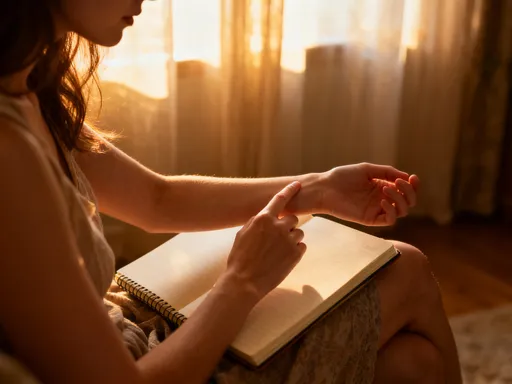
Looking back, I realize that my sketchbook, my collection of houseplants, and my weekend walks weren’t just pastimes. They were acts of healing. They gave me back a sense of agency, creativity, and peace. In a world that often equates health with discipline and restriction, hobbies offer a different message: joy is not the reward for being well—it is a pathway to being well. You don’t need to wait until life slows down to begin. You don’t need special permission or a perfect schedule. All you need is a small spark of interest and the willingness to follow it. Your next step toward better health might not be a prescription or a fitness tracker. It might be a paintbrush, a garden trowel, or a favorite song played just for you.