No more ‘Who has the tickets?’: How e-tickets quietly fixed our family trips
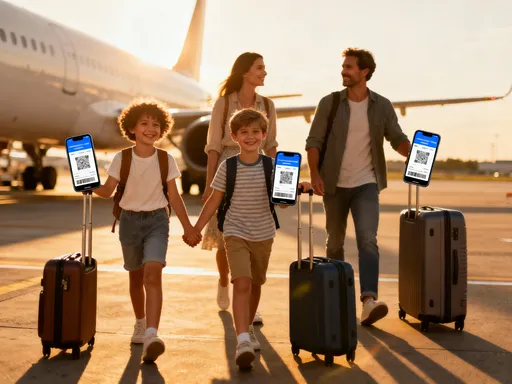
Remember the chaos before boarding? One parent frantically checking emails, kids bouncing off the walls, and someone always asking, “Wait—whose phone is the ticket on?” We’ve all been there. But quietly, without fanfare, electronic ticket management has transformed not just how we travel—but how we move through those moments together. It’s not just about convenience; it’s about reclaiming peace, connection, and joy in family journeys. What started as a simple shift from paper to screen has quietly reshaped the rhythm of our family trips, turning stress into calm, confusion into clarity, and shared anxiety into shared confidence. This isn’t just tech progress—it’s emotional relief in your pocket.
The Family Travel Chaos Before E-Tickets
Let’s take a trip down memory lane—the stressful kind. Picture this: it’s 6 a.m., you’ve got two suitcases, three kids, and one coffee. You’re heading to the airport, and somewhere between buckling seatbelts and double-checking snacks, someone asks, “Do we have the tickets?” Cue panic. Back then, “tickets” meant either a printed sheet or a confirmation email buried in an inbox. And if you didn’t print it? Well, good luck finding a printer at 5:30 a.m. on a Sunday. I remember standing in line at the airport, heart pounding, realizing I hadn’t saved the email on my phone—and my husband, who had it, was still at home feeding the dog. That moment wasn’t just inconvenient; it was isolating. One person held the key to the whole trip, and when they weren’t there, everything felt fragile.
And it wasn’t just about access. It was about trust, too. If Mom was the one who booked everything, she was also the one expected to know every detail. Gate numbers, baggage rules, check-in times—her mental load carried the weight of the entire journey. Kids would ask her questions even when Dad was right there. That imbalance, subtle but real, often led to tension. I’ve seen friendships strained over who “forgot” the train tickets. I’ve watched grandparents miss connections because the confirmation email went to their daughter’s work account, which she couldn’t access during a meeting. These weren’t just logistical hiccups—they were emotional cracks in what should have been joyful moments. The stress didn’t start when we arrived at the terminal; it began the moment we decided to go.
Then there was the paper trail. Remember printing tickets, folding them into wallets, only to lose them at security? Or worse—realizing halfway through the airport that you left them in the Uber? And don’t get me started on international trips, where multiple bookings, layovers, and language barriers turned a simple itinerary into a puzzle no one wanted to solve. We weren’t just traveling; we were managing a mini crisis with every move. The irony? We were trying to create memories, but we were so busy surviving the process that we barely had space to enjoy them.
Enter E-Ticketing: More Than Just Digital Paper
Then, almost without fanfare, e-tickets arrived—and slowly, they changed everything. At first, we thought they were just digital versions of the old paper tickets. But over time, we realized they were something much more powerful: silent organizers. Instead of just replacing paper, they redefined how we access, share, and trust travel information. Today, when I book a flight, train, or concert, the ticket goes straight to a shared family app or cloud folder. No printing. No forwarding emails. No last-minute scrambling. It’s just… there. And that simplicity is revolutionary.
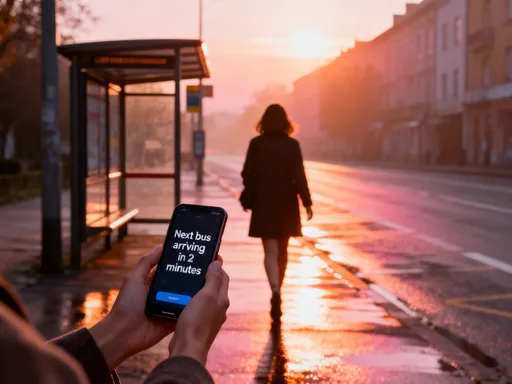
What makes e-tickets different isn’t just that they’re on a screen—it’s how they work with the rest of our digital lives. Most travel apps now sync automatically with our calendars, send real-time alerts for gate changes, and even update when flights are delayed. I remember sitting at the gate once, watching a family argue because their flight had moved to Terminal B—but no one had checked the app. Meanwhile, my phone buzzed gently: “Your flight has been updated. New gate: B12.” No drama. No running. Just a quiet heads-up. That’s the magic of modern e-ticketing: it doesn’t wait for you to panic. It anticipates.
And here’s something we often overlook—offline access. Even if your phone dies or you lose signal, many apps store tickets locally. I’ve walked through train stations with zero reception, pulled up my QR code, and scanned in without a hitch. That kind of reliability isn’t just convenient; it’s deeply reassuring. It means you don’t have to be “on” all the time. You can relax, trust the system, and focus on what really matters—like making sure your kids don’t spill juice on the seat.
But beyond the features, what e-tickets really offer is mental space. Before, travel meant carrying a mental checklist: Did I print the tickets? Did I save the email? Is the Wi-Fi working? Now, that cognitive load is gone. The system holds the details so I don’t have to. And when you’re juggling kids, luggage, and time zones, that peace of mind is priceless. It’s not just about saving time—it’s about saving energy, patience, and emotional bandwidth.
Shared Access, Shared Responsibility
One of the quietest but most powerful shifts e-tickets brought was equality in access. When everyone in the family can see the same information, something subtle but important changes: responsibility becomes shared. I remember a trip last summer when my 10-year-old daughter said, “Mom, boarding starts in 20 minutes.” I looked up, surprised. “How do you know?” She pointed to her tablet. “It’s in the family calendar—and it linked to the e-ticket.” That moment hit me. She wasn’t just passively following instructions; she was actively managing her part of the journey.
This kind of shared visibility transforms family dynamics. No longer is one parent the “keeper of the plans.” Now, Dad can check the train schedule while Mom helps with snacks. Grandma can pull up her concert ticket without asking anyone. Kids learn to track time, understand schedules, and take ownership of their role in the trip. It’s not about dumping responsibility on them—it’s about inviting them into the process. And when children feel included, they’re more cooperative, more aware, and more confident.
I’ve seen families use shared digital folders where each member has access to flight details, hotel check-in times, and even car rental info. One friend even set up a family travel dashboard in a simple app, color-coded by person. When everyone can see the plan, there’s less second-guessing, fewer “I didn’t know!” moments, and a lot more teamwork. It’s not just about avoiding conflict—it’s about building trust. When your teenager checks their flight status without being asked, it’s not just practical; it’s a sign of growing independence.
And let’s not underestimate the emotional relief for parents. No more being the sole source of information. No more feeling like the trip will collapse if you’re not “on” every second. With e-tickets, the family becomes a team, not a hierarchy. That shift—from one person carrying the weight to everyone sharing the load—is where real connection begins.
Syncing Schedules, Smoothing Transitions
One of the most stressful parts of travel isn’t the destination—it’s the in-between. That moment when you land, grab your bags, and have to figure out the next step. Will the car be waiting? Is the hotel ready? What time is dinner? These transitions used to be full of uncertainty. But now, thanks to integrated e-ticket systems, they’re smoother than ever.
Here’s how it works: when your flight is delayed, many ride-sharing apps automatically adjust your pickup time. The driver gets notified. No need to cancel and rebook. Similarly, some hotel apps update your estimated arrival time based on your flight status. I arrived in Chicago once, tired and dragging suitcases, only to find my room was already ready. The front desk smiled and said, “We saw your flight was early—hope that’s okay.” That small gesture, powered by synced data, turned a potentially frustrating wait into a warm welcome.
These background integrations might seem minor, but they have a huge emotional impact. When things flow seamlessly, you arrive calm instead of frazzled. You’re not spending your first moments at the destination stressed about logistics—you’re present. You can smile at your kids. You can take in the view. You can actually enjoy arriving.
And it’s not just about comfort—it’s about safety, too. When schedules are synced, there’s less chance of miscommunication. No more “I thought you were picking us up at 3!” or “The hotel said we couldn’t check in yet.” These small conflicts, common in the past, often erupted at the worst times—when everyone was tired, hungry, or overwhelmed. Now, the system helps prevent them before they start. It’s like having a quiet helper working behind the scenes, making sure the pieces fit together.
Unexpected Wins: From Lost Phones to Peace of Mind
Let’s talk about the moments when things go wrong—because they do. Last year, my sister dropped her phone in a airport restroom sink. Panic mode: her entire trip was on that device. But here’s the thing: because all tickets were stored in a shared cloud account, her husband pulled up the e-tickets on his phone and checked them in—no problem. No running to customer service. No paying for new tickets. Just a quick switch, and they were on their way.
That’s the power of remote access and multi-device syncing. Your plans aren’t locked to one phone. They’re available wherever you are, on whatever device you have. If your tablet dies, you can use your laptop. If your son forgets his phone, he can still board because Dad has the QR code. This flexibility isn’t just practical—it’s deeply comforting. It means your family’s plans aren’t fragile. They’re resilient.
And let’s not forget instant re-issuance. If a ticket gets lost or corrupted, most platforms let you regenerate it in seconds. No waiting. No forms. No stress. This kind of reliability builds confidence—not just in the technology, but in your ability to handle the unexpected. As a parent, that peace of mind is everything. You can’t control every variable, but knowing that the basics are secure lets you focus on what really matters: being present with your family.
These features don’t make headlines, but they make a difference. They turn potential disasters into minor blips. And over time, that adds up to a calmer, more confident way of traveling—one where you’re not bracing for the next problem, but open to the next joy.
Teaching Kids Independence, One Trip at a Time
Here’s something I didn’t expect: e-tickets have become a tool for teaching independence. When my oldest turned 13, we let her manage her own travel confirmations for a weekend trip with cousins. She booked her train ticket, saved it to her phone, and checked in on time—all without asking for help. Watching her scan her QR code at the gate, calm and confident, filled me with pride. That moment wasn’t just about transportation; it was about growth.
For kids, learning to read digital itineraries, track flight times, and handle check-ins builds real-world skills. It’s digital literacy in action. They learn to navigate apps, understand schedules, and solve small problems on their own. And when they succeed, they feel capable. That confidence spills over into other areas—school, friendships, decision-making.
Even younger children benefit. My 7-year-old now knows how to find our family calendar and check when we’re leaving for vacation. He doesn’t just wait to be told; he looks it up. That shift—from passive to active—matters. It teaches them that information is accessible, that they can take initiative, and that they’re part of the team.
And as parents, we get to step back—not because we’re disengaged, but because we’re empowering. We’re not doing everything for them; we’re showing them how to do it themselves. That’s the real gift of thoughtful technology: it supports growth, not dependence. It helps our kids become capable, responsible adults—one trip at a time.
The Quiet Revolution in Family Connection
When we think about technology, we often imagine flashy gadgets or dramatic changes. But the most meaningful innovations are the ones we don’t notice—until we realize how much easier life has become. E-tickets are one of those quiet revolutions. They didn’t come with a big launch event or a viral ad campaign. They just… showed up. And slowly, they changed how we travel, how we communicate, and how we connect.
Today, our family trips feel different. There’s less tension. More laughter. More space to talk, to dream, to simply be together. Instead of arguing over gate numbers, we share stories. Instead of panicking about tickets, we play games on the train. The technology didn’t create these moments—but it made room for them.
Because that’s what true innovation does: it removes friction so connection can grow. It doesn’t demand attention; it quietly supports what matters most. E-tickets aren’t just about getting from A to B. They’re about arriving together—calm, connected, and ready to enjoy the journey.
So the next time you pull up a QR code and scan it without a second thought, take a breath. That small moment represents something bigger: a family in sync, a plan that holds, and a little more peace in your pocket. Because sometimes, the most powerful tech isn’t the one that dazzles—it’s the one that lets you forget it’s even there, so you can focus on what really matters: each other.