More than just parking: How shared alerts keep what matters most safe
Finding a parking spot isn’t the real win—it’s the quiet moments of connection and protection that matter. Remember that time you both showed up at the same restaurant, confused and laughing? What if every little sync between you did more than avoid mix-ups? Today’s tools quietly guard your peace, turning tiny tech gestures into trust. They don’t just locate a car—they help you feel close, even when apart. Let’s talk about how staying linked isn’t about constant checking, but caring smarter. This isn’t about surveillance or being glued to your phone. It’s about using simple, thoughtful tech to protect your time, your peace, and your relationship from the small stresses that pile up without you noticing.
The Little Stress That Says “I Care”
We’ve all been there—sitting in the car, circling the block for the third time, fingers tapping the steering wheel, heart rate rising. You glance at your phone: “Where are you?” sent 12 minutes ago. No reply. Inside, your partner is already at the table, checking their watch, maybe texting back with a hint of irritation: “I’ve been here for ten minutes!” It’s not a crisis, but it feels like one. That tiny moment of misalignment doesn’t just waste time—it chips away at your sense of being seen, heard, and valued. And when these moments repeat, they build a quiet tension that can dull even the strongest bond.
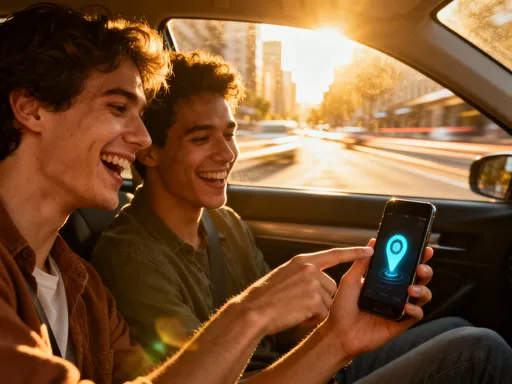
But what if that frustration didn’t have to happen? What if, instead of playing phone tag, you both knew—without asking—exactly where the other was? That’s where modern tech steps in, not as a fix-it tool, but as a quiet partner in care. When you share your live location just for a few minutes while meeting up, it’s not about tracking. It’s about saying, “I’m thinking of you. I don’t want you to wait. I’ve got this.” That shift—from demand to reassurance—changes everything. It turns a potential argument into a shared glance, a smile, a relief. And over time, these small digital gestures add up to something powerful: emotional safety.
I remember when my sister told me how her husband started using a simple arrival alert when he got home late from work. No call, no text—just a soft ping on her phone: “John arrived home.” At first, she laughed. “I’m not his mom,” she said. But after a few weeks, she admitted something surprising: “It’s not that I was worried. It’s that I didn’t have to wonder. And that made me feel… taken care of.” That’s the magic. These tools don’t solve big problems. They prevent small ones from becoming emotional weight.
Parking Finders: Not Just for Cars, But for Calm
Let’s talk about parking finders. On the surface, they seem like a gadget for forgetful drivers—help you find your car in a mall lot or airport garage. But for couples, the real benefit isn’t about the car at all. It’s about the calm they bring. Imagine this: you’re at a holiday market, bags in hand, kids tired, and your partner says, “I’ll go get the car.” You wait. And wait. Ten minutes pass. Your phone buzzes: “Where did you park?!” Then another: “I’m freezing!” By the time the car pulls up, the mood has shifted. What should’ve been a cozy ride home turns into a tense silence.
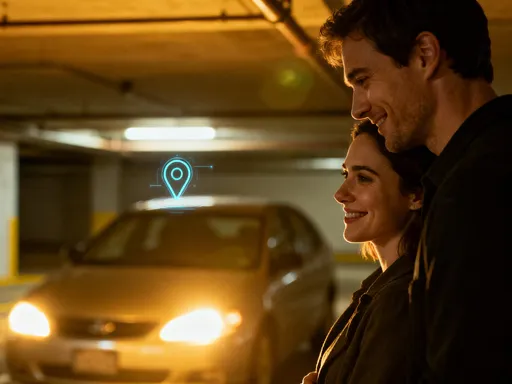
Now imagine the same scene, but this time, your partner opens their phone, taps once, and sees a map with a glowing pin—your shared parking spot. No call. No stress. They walk straight to the car, warm it up, and drive to you. You get a little alert: “Car on the way.” The difference? One moment is heavy with frustration. The other is light with ease. And that ease isn’t accidental. It’s designed.
Today’s parking tools—built into many smartphones and car apps—don’t just store coordinates. They create shared awareness. When both of you can see where the car is, it becomes a team effort, not a solo mission. And that changes the emotional tone. You’re not blaming each other for forgetfulness. You’re laughing about how easy it is to stay in sync. The tech doesn’t replace communication. It protects it from the wear and tear of daily life. Think of it like a seatbelt for your relationship—one you don’t notice until you really need it.
Shared Alerts as Emotional Insurance
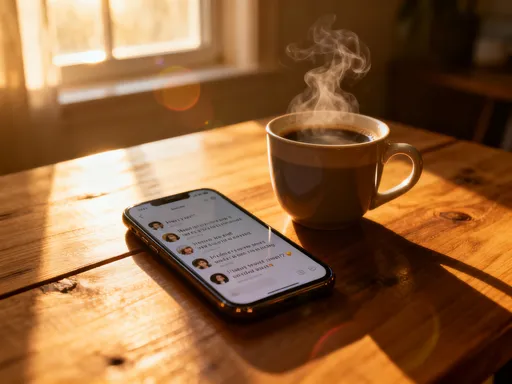
Life gets busy. One of you works late. The other drives the kids to practice. You’re both moving in different directions, and sometimes, you just want to know: “Are they okay?” That’s where shared alerts come in—not as constant updates, but as quiet check-ins. An arrival notification. A “left the office” ping. A simple “home safe” message. These aren’t commands. They’re care packages, delivered digitally.
Think of them as emotional insurance. You don’t think about them every day, but when you need them, they matter. A friend of mine, Sarah, told me how her husband travels for work. At first, she’d text him after every flight: “Landed?” “Safe?” “How was the drive?” It wasn’t that she didn’t trust him. It was that she cared. But the texts became a habit she couldn’t stop—and he started to feel watched. Then they tried a shared arrival alert. Now, when his phone detects he’s reached the hotel, hers gets a soft notification: “David arrived at the Marriott.” No text. No pressure. Just peace.
She told me, “It’s not that I don’t worry anymore. It’s that I don’t have to ask. And that makes me feel like a partner, not a parent.” That’s the key. These tools aren’t about control. They’re about reducing the emotional labor of caring. When you don’t have to remember to check in, and you don’t have to remember to reassure, the love flows more freely. The tech handles the small stuff, so you can focus on the big stuff—like how his day really was, or what the kids did in school.
Protecting What You Carry, Not Just the Car
Your car is more than a vehicle. It’s a mobile extension of your home. That back seat? It’s held car seats, homework folders, a birthday cake in a box. The trunk? It’s stored camping gear, a stroller, maybe your partner’s guitar. And the glovebox? That’s where you keep the spare key, the insurance card, and last week’s prescription from the pharmacy. Forgetting something important doesn’t just mean inconvenience—it can mean stress, guilt, even a missed appointment.
But what if your car could help you remember? With shared notes and photo logs in some apps, couples can leave digital reminders for each other. Imagine this: you drop your partner at the train station, and as you drive off, you snap a quick photo of the back seat with a note: “Left your work bag by the door—grab it when you get home.” Or your spouse texts: “Dropped off the vet meds in the center console. Please give them to Max tonight.” These aren’t just messages. They’re acts of protection.
One mom I spoke with, Lisa, uses a shared family app to track what’s in the car each day. “On school mornings, I check the app before I leave. Did I pack the project in the trunk? Is the soccer gear in the back? It’s not that I’m disorganized. It’s that I’m doing ten things at once. This helps me breathe.” And when her husband picks up the kids, he checks the same app. “It’s like we’re on the same team,” she said. “We’re not just sharing a car. We’re sharing responsibility.” That’s the deeper value. It’s not about the items—it’s about the peace of knowing nothing vital gets left behind.
Syncing Lives Without Losing Yourselves
Some people worry that sharing locations or alerts means losing privacy. That it’s a step toward being “always on” or overly dependent. I get it. No one wants to feel monitored. But here’s the truth: the healthiest use of these tools isn’t about constant connection. It’s about intentional support. It’s not “Where are you every five minutes?” It’s “I’ll let you know when I land so you don’t worry.” Big difference.
When both partners feel trusted, these tools don’t create dependence—they create freedom. Think of it like setting a dinner table. You don’t hover over it all day. But you set it before your family comes home, so everyone knows they’re expected, welcomed, cared for. Shared alerts work the same way. You set them with love, not control. You use them to say, “I’ve got your back,” not “I’m watching you.”
And when both people use them equally, it becomes a two-way street. You share your arrival. They share theirs. You leave a note about the dry cleaning. They remind you about the oil change. It’s not surveillance. It’s teamwork. And that balance—between connection and independence—is where strong relationships thrive. You’re not giving up your space. You’re creating a shared space where both of you feel safe, respected, and supported.
Building Habits That Last (Without Trying Too Hard)
The best tools don’t shout. They whisper. They don’t demand your attention. They fit into your life like a favorite pair of slippers—so comfortable you forget they’re there. That’s the goal with shared alerts. You don’t need to overthink it. Start small. Share your location for 15 minutes when meeting up. Set an arrival alert when coming home late. Leave one digital note in the car this week. That’s it.
But here’s what happens when you do: those small actions start to build a quiet language of care. You’re not saying “I love you” in big declarations. You’re saying it in tiny, consistent ways: “I thought of you.” “I remembered.” “You’re safe.” Over time, that consistency becomes a rhythm. And that rhythm becomes security.
A couple I know, Mark and Elena, started using shared alerts after a stressful week of missed pickups and forgotten errands. At first, they felt silly. “Are we really doing this?” Mark joked. But after a month, Elena said, “I didn’t realize how much mental energy I was spending on ‘Where is he?’ Now, I don’t have to. And that’s made room for other things—like actually enjoying our time together.” That’s the power of small habits. They don’t change your life overnight. But they change the texture of your days. And over time, that adds up to a life that feels lighter, warmer, more connected.
Tech That Doesn’t Connect You—It Protects Your Connection
At the end of the day, the goal isn’t to be more digital. It’s to be more present. To walk into a café, see your partner already there, and feel relief, not frustration. To skip the “Where are you?!” text and share a real smile instead. To know, without asking, that the people you love are safe, and that you’re part of a team that’s got each other’s backs.
These tools don’t replace love. They protect it. They guard the small, sacred spaces between you—where trust lives. They help you care smarter, not harder. And in a world full of noise, distractions, and constant demands, that quiet certainty is the deepest luxury.
So the next time you use a parking finder or a shared alert, don’t think of it as just tech. Think of it as a tiny act of love. A digital hug. A quiet “I’ve got you.” Because the real win isn’t finding your car. It’s finding peace. And that’s something worth sharing.