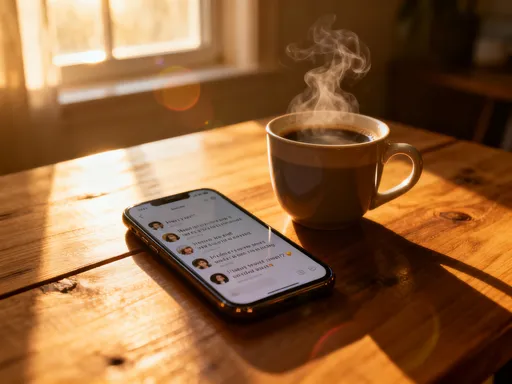
I kept saying 'just five more minutes' at bedtime: How a sleep tracker gave me back my mornings
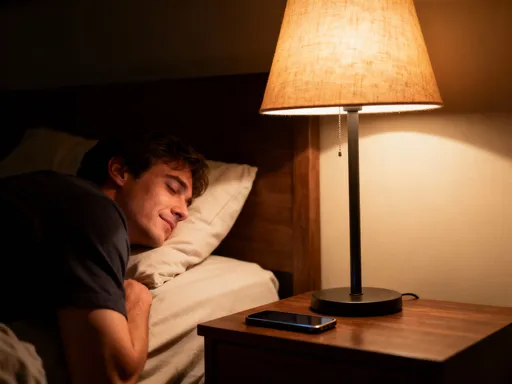
We’ve all been there—lying in bed, scrolling through our phones, telling ourselves we’ll stop after one more video. I did it for years, only to wake up groggy, unproductive, and drained. It wasn’t until I noticed how my late-night screen habits bled into my workday—missed deadlines, scattered focus, endless coffee refills—that I realized this wasn’t just about sleep. It was about time, energy, and reclaiming control. What changed? A simple shift, powered by the right tech. Not a drastic overhaul, not a punishing routine, but a quiet, consistent nudge from a small device that helped me finally listen to my body instead of my thumb.
The Nighttime Trap: How We Accidentally Steal Time from Our Future Selves
Have you ever found yourself at 11:30 p.m., eyes glued to your phone, watching a cooking tutorial you’ll never try or reading a thread about someone’s cat’s birthday party? I have. And I wasn’t alone. What we often call “me time” at night is actually something psychologists have named—revenge bedtime procrastination. It’s that quiet rebellion against the day’s demands. The kids are finally asleep. The laundry is folded. The emails are answered. And now, just when the world slows down, we cling to those stolen hours, even if it means paying for them tomorrow.
But here’s the truth I didn’t want to face: every extra minute I spent scrolling was a minute I was borrowing from the woman I wanted to be the next morning. The one who’d drink her tea slowly, read the news with focus, and start her day with calm instead of chaos. Instead, I’d wake up with a fog in my head, hit snooze three times, and rush through breakfast like I was late for a fire drill. My concentration would fray by mid-morning. I’d forget where I put my keys, misread simple instructions, and feel that low hum of anxiety that comes from being constantly behind.
And it wasn’t just about feeling tired. It was about losing parts of myself—my patience with my kids, my confidence at work, my ability to enjoy the small things. I’d scroll at night to feel in control, but by morning, I felt completely out of it. The irony wasn’t lost on me: I was using technology to unwind, but it was making me more wound up than ever. I began to wonder—what if the very thing I thought was helping me relax was actually keeping me from true rest?
From Scattered Mornings to Focused Mornings: The Ripple Effect of One Small Change
One Monday, after yet another groggy start, I missed an important client call. Not because I forgot—it was right there on my calendar—but because I’d hit snooze one too many times and didn’t wake up until it was over. I felt a wave of shame, followed by frustration. I wasn’t lazy. I cared deeply about my work. I just couldn’t seem to get my body and mind on the same page. That’s when I realized sleep wasn’t just a personal issue—it was a professional one too.
Poor sleep doesn’t just make you yawn. It erodes your cognitive sharpness. Studies show that even mild sleep deprivation can reduce attention span, slow reaction time, and weaken decision-making—basically the exact skills I needed to do my job well. I was giving myself a handicap every single day, and I didn’t even know it. The emails I re-read three times? The typo in a proposal I sent to a senior manager? The meeting where I couldn’t focus on what anyone was saying? All of it was connected.
But here’s the good news: when I finally made one small change—going to bed just 30 minutes earlier and keeping my phone out of the bedroom—everything started to shift. I didn’t suddenly become superwoman, but I did notice something remarkable. My mornings became clearer. I could open my inbox and sort through messages in half the time. I stopped needing a second cup of coffee to feel human. I even started writing my to-do list the night before, which helped me begin the day with purpose instead of panic.
The real win wasn’t that I was doing more. It was that I was doing what mattered—with focus, with calm, with presence. And the best part? I didn’t have to work harder. I just had to rest better. That’s when I began to see sleep not as downtime, but as an essential part of my productivity. It wasn’t about squeezing more into the day. It was about showing up for the day as the best version of myself.
Meet the Tiny Guardian: How Sleep Tracking Became My Quiet Coach
I’ll admit it—I wasn’t excited about sleep trackers at first. The idea of wearing another device, another app to check, another number to obsess over—it felt like just another thing to manage. But then a friend told me about hers not as a fitness tool, but as a “sleep journal you don’t have to write.” That clicked. I decided to give it a try, not to chase perfect scores, but to understand my patterns.
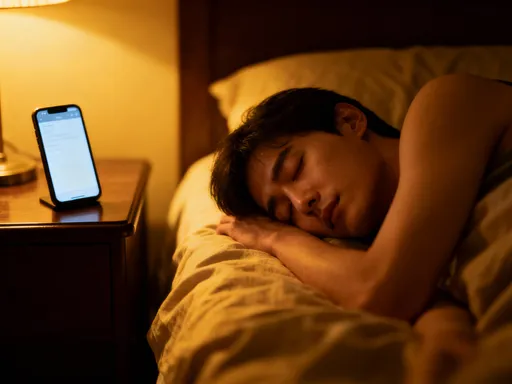
The first week was eye-opening. The tracker didn’t yell at me or send alarms. It simply showed me the facts: on nights I used my phone in bed, I took an average of 38 minutes longer to fall asleep. My deep sleep dropped by nearly 40%. And on mornings after heavy screen use, my “readiness score” was consistently low—meaning my body wasn’t recovered, no matter how many hours I spent in bed.
What surprised me most was how motivating this data was—not because it made me feel guilty, but because it gave me clarity. It wasn’t about willpower. It was about cause and effect. I wasn’t failing because I was undisciplined. I was struggling because my habits were working against my biology. The blue light from my phone was suppressing melatonin, the hormone that helps you sleep. My brain was still buzzing from the content I consumed, even if I thought I was “relaxing.”
Over time, the tracker became less of a monitor and more of a quiet coach. It didn’t tell me what to do. It just showed me what was happening. And that awareness was powerful. I started looking at the data not as a report card, but as feedback. When I saw a good night’s sleep reflected in higher energy and better mood, I felt encouraged. When I saw a poor night linked to late scrolling, I felt informed—not judged. That subtle difference made all the difference in helping me change, not out of shame, but out of self-care.
The Wind-Down Ritual: Designing a Tech-Supported Evening Routine
Once I understood the problem, I didn’t want to just stop something—I wanted to replace it with something better. I realized I wasn’t really scrolling because I loved my phone. I was doing it because I didn’t have a real wind-down routine. So I decided to build one—with the help of a few simple tech tools that actually supported rest instead of stealing from it.
First, I set up a bedtime reminder on my phone that goes off 60 minutes before I want to sleep. It says, “Time to unplug and unwind.” Sounds simple, but it works. It’s not a command—it’s a gentle nudge, like a friend tapping my shoulder. At the same time, I turn on “Do Not Disturb” mode, so notifications don’t pull me back in. I also use the built-in screen time limits for social media apps. After 20 minutes, the app locks, and I have to enter a password to keep going—which I made hard to remember on purpose.
Another game-changer? Smart lights. I programmed my living room bulbs to gradually dim and shift to a warm, amber tone starting at 8 p.m. It’s subtle, but it signals to my brain that the day is winding down. I pair this with a real book or a cup of herbal tea—something that feels like a ritual, not a chore. And yes, I still watch shows sometimes, but I do it on the TV, not my phone, and I set a sleep timer so it turns off automatically.
The key was making these changes feel easy, not restrictive. I didn’t want to feel like I was punishing myself. I wanted to feel like I was caring for myself. And that mindset shift—seeing boundaries as self-respect—made all the difference. Technology wasn’t the enemy. It was how I was using it. When I started using tech to protect my rest instead of sabotage it, everything changed.
Reclaiming Morning Clarity: What Happens When You Stop Borrowing from Tomorrow
The first full week of consistent sleep felt like a miracle. I woke up before my alarm—actually before it. Not groggy, not disoriented, but clear-headed. I remember sitting up, sipping my tea, and realizing I wasn’t rushing. I had time. Time to breathe. Time to think. Time to plan my day without panic.
That mental clarity spilled into my work in ways I hadn’t expected. I responded to emails faster because I didn’t have to re-read them. I made decisions more confidently because my mind wasn’t foggy. I even started journaling each morning, which helped me set intentions instead of reacting to whatever popped up first. I wasn’t doing anything radically different—but I was doing it with focus, presence, and energy.
One morning, I tackled a project I’d been avoiding for weeks. It only took me two hours because I wasn’t distracted. No phone checks. No mental fatigue. Just deep, uninterrupted work. And the result? My best output in months. My boss noticed. My confidence grew. I realized that rest wasn’t stealing time from my productivity—it was fueling it.
What I love most is that this isn’t about perfection. Some nights, I still scroll. Some mornings, I still feel tired. But now I have awareness. I know the cost. And more importantly, I know the reward. When I protect my sleep, I gain more than rest—I gain clarity, creativity, and the ability to show up fully. And that’s worth every minute I used to waste saying, “Just five more minutes.”
Beyond the Individual: How Better Rest Strengthens Family and Focus
Here’s something I didn’t expect: my better sleep didn’t just change me—it changed my home. Mornings with my kids used to be a whirlwind. I’d be half-awake, snapping at small things, rushing them out the door. Now, I’m more present. I actually listen when my daughter tells me about her dream from last night. I laugh at my son’s silly jokes instead of just nodding absently. I have the patience to help with a tricky math problem instead of saying, “Let’s do it later.”
And it’s not just mornings. In the evenings, I’m less likely to crash on the couch, too tired to engage. I can sit with my family, talk, play a game, or just enjoy quiet time together. My energy is better, my mood is steadier, and my presence is real. I’m not just going through the motions—I’m in it.
What I’ve learned is that rest is not a selfish act. It’s an emotional investment in the people I love. When I take care of myself, I have more to give. My husband has said I seem “lighter.” My kids say I’m “less shouty.” That’s not vanity—that’s connection. And that’s something no productivity hack can buy.
So while the sleep tracker helped me, the real transformation was relational. One small change in my routine created ripples across my home. I’m not just managing my time better—I’m sharing my time more fully. And that, to me, is the true measure of success.
The Real Win: Living in Sync with Your Rhythm, Not Against It
Looking back, I realize I wasn’t really fighting my phone. I was fighting my own exhaustion, my need for control, my desire to feel like I had a moment to myself. The sleep tracker didn’t fix everything. But it gave me something priceless: awareness. It helped me see the patterns, understand the costs, and make better choices—not out of guilt, but out of care.
The real win isn’t a perfect sleep score. It’s waking up feeling like myself. It’s having the energy to laugh, to create, to listen, to live. It’s knowing that I’m not borrowing from tomorrow to pay for tonight. It’s understanding that technology, when used with intention, can support our humanity instead of stealing from it.
If you’re still saying “just five more minutes” every night, I get it. I’ve been there. But what if tonight, you tried something different? What if you let your phone rest so you could too? You don’t need a tracker to start. You just need to believe that your rest matters—that you matter.
Because you do. And when you start treating your sleep as sacred, not as a luxury, you’ll find something beautiful: you’re not just getting more rest. You’re becoming more you.